
Soon stocks will run out
Dont miss this opportunity while supplies last.
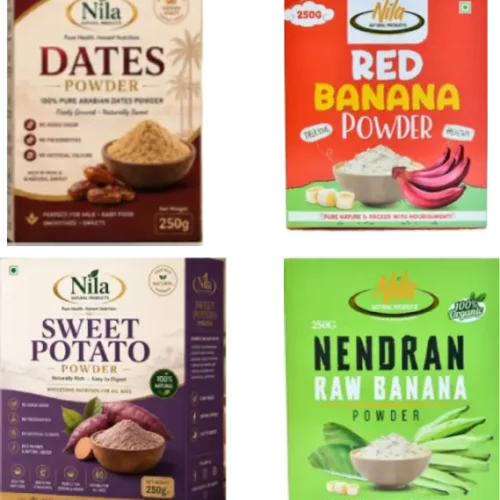
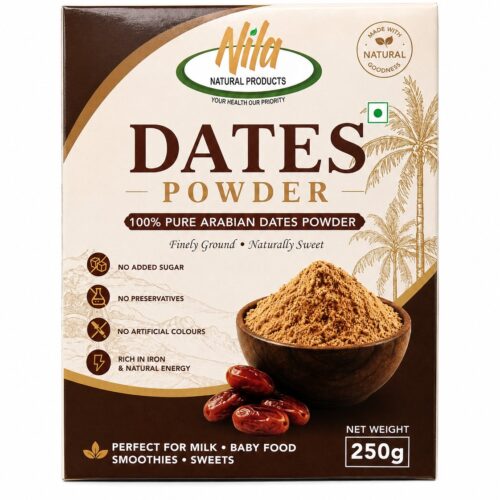


How to Choose the Best Sweet Potato Powder
Sweet potato powder is a popular first food for babies in many Indian homes, usually cooked into a soft, naturally sweet porridge once solids begin. It is easy to store and quick to prepare, which makes it a handy option for busy parents. But product pages often make big promises about weight gain and immunity. This guide explains what sweet potato powder is, what it can realistically offer your baby, and how to use it safely.
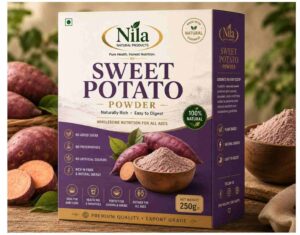
What Is Sweet Potato Powder?
Sweet potato powder is made by drying sweet potatoes and milling them into a fine powder. The best baby powders have a single ingredient, sweet potato, and no added sugar, colours, or preservatives, though some brands add cardamom, so read the label. Cooked with water, breast milk, or formula, it turns into a smooth, mildly sweet porridge that suits a baby just starting solids.
5 Things to Check Before You Buy Sweet Potato Powder
1. The Ingredients List
The best powder has a single ingredient: sweet potato. Avoid products with added sugars, artificial colors, preservatives, or cheap fillers. If a product is a blend (for example, with tapioca or cassava starch), the label should say so clearly.
2. The Type: Orange or Purple
Choose based on how you plan to use it. Orange suits everyday cooking, sweetness, and nutrition. Purple suits vibrant natural color in drinks, noodles, and baked goods.
3. Texture and Fineness
Good powder is finely milled, smooth, and free of lumps, and it blends easily into liquids. Extremely fine industrial powders can sometimes clump or absorb moisture, so look for a soft, even, consistent texture rather than the finest grind possible.
4. Moisture Content
Low moisture keeps powder from molding or clumping. Well-dried powder is often cited as being under 12% moisture. You may not always see this number on the label, but reputable sellers often share it.
5. Packaging
Look for airtight, moisture-proof packaging, ideally opaque or resealable, to protect against humidity and light. After opening, store the powder in a dry airtight jar and use a dry spoon every time.
Conclusion
Choosing the best sweet potato powder comes down to a few simple checks. Read the label for a single ingredient with no fillers or additives. Pick orange for everyday nutrition and sweetness, or purple for color. Look for a fine, smooth texture, low moisture, and airtight packaging with clear manufacturing and expiry dates. If you prefer to avoid synthetic pesticides, certified organic options are worth considering.
FAQ’s
1. What should I look for on the label of sweet potato powder?
A single ingredient: sweet potato. Avoid added sugars, artificial colours, preservatives and cheap fillers. If the product is a blend, for example with tapioca or cassava starch, the label should say so clearly.
2. Should I choose orange or purple sweet potato powder?
It depends on how you plan to use it. Orange suits everyday cooking, sweetness and nutrition. Purple suits a vibrant natural colour in drinks, noodles and baked goods.
3. How should good sweet potato powder look and feel?
It should be finely milled, smooth, free of lumps, and easy to blend into liquids. Extremely fine industrial powders can sometimes clump or absorb moisture, so look for a soft, even, consistent texture instead of the finest grind possible.
4. Why does moisture content matter in sweet potato powder?
Low moisture keeps the powder from molding or clumping. Well-dried powder is often cited as being under 12% moisture. You may not always see this number on the label, but reputable sellers often share it.
5. How should I store sweet potato powder after opening?
Keep it in a dry, airtight jar and use a dry spoon every time. Choose airtight, moisture-proof packaging, ideally opaque or resealable, to protect the powder from humidity and light.


