
Soon stocks will run out
Dont miss this opportunity while supplies last.


How to Choose the Best Beetroot Powder
Choosing the best beetroot powder is important to get a product that suits your daily cooking and nutritional needs. With different brands and varieties available, it is helpful to check the ingredients, quality, colour, and packaging before buying. Beetroot powder is a convenient ingredient that can be added to smoothies, juices, and homemade recipes. Understanding what to look for can help you make a better buying decision.
What Is Beetroot Powder?
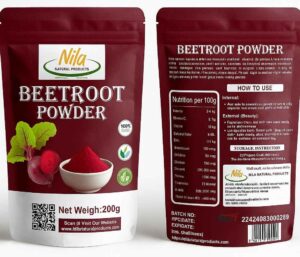
Beetroot powder is made by drying fresh beetroot and grinding it into a fine, deep-red powder. It tastes mildly sweet and earthy, and it mixes easily into smoothies, juices, and recipes. It contains dietary nitrates, betalain pigments, fibre, and small amounts of folate, potassium, and manganese. Some powders are made from the whole root, while others are concentrated from beet juice.
Why the Quality of Beetroot Powder Matters?
Most of beetroot’s proven benefits come from dietary nitrate, which your body converts into nitric oxide to help blood vessels relax and widen. But the nitrate in a tub depends on how the beets were grown and processed, so two powders that look identical can deliver very different amounts, and some contain fillers or contaminants.
7 Things to Check Before You Buy Beetroot Powder
1. Choose a Short, Clean Ingredient List
The best beetroot powder has one ingredient: beetroot. Avoid products with added sugar, maltodextrin or other fillers, artificial colours, or large amounts of “natural flavours”. Also be wary of a “proprietary blend” or “superfood mix” that hides how much beetroot is in each serving. The beetroot quantity should be stated on its own line.
2. Look for a Stated Nitrate Content
Nitrate is the most useful number on a label, and the one most brands leave out. Studies on exercise performance have typically used around 6 to 8 millimoles of nitrate per dose, which is roughly 370 to 500 mg. If a powder is only 1 to 2% nitrate, a 5 g serving gives about 50 to 100 mg, far below that range.
If there is no nitrate number, you cannot verify the dose. Choose a pure, gently processed, lab-tested product and treat it as a nutritious food rather than a precise dose, or email the brand and ask.
3. Understand How It Is Processed
Freeze-dried or low-temperature powders are gentler on the beet and help preserve pigments and antioxidants, while high heat can break some down. Whole-root powder keeps the fibre but is lower in nitrate per gram. Juice powders are concentrated and usually richer in nitrate, but they cost more and can be higher in natural sugars. Fermented powders are marketed for gut health, yet fermentation can reduce nitrate and the benefit is not well proven.
4. Prefer Organically Grown Beetroot
Beetroot grows in direct contact with soil and takes up whatever is in it, including pesticide residues. Because the whole root is dried and concentrated, organic sourcing is one of the few cases where it is worth paying extra. In India, look for a recognised certification such as India Organic or NPOP, and remember that “natural” on the front of the pack is not the same as certified organic.
5. Look for Third-Party Lab Testing
Root vegetables can accumulate heavy metals such as lead, cadmium, and arsenic from soil, and drying a beet into powder concentrates whatever is inside it. A good brand will share a Certificate of Analysis (COA) from an independent lab covering heavy metals, pesticide residues, microbial safety, and identity. Ideally the lab is accredited, for example by NABL in India. If a brand will not share any test information, treat it as a red flag.
6. Added sugars, fillers, and flavor tricks
Beetroot powder tastes earthy, and some people don’t love it. So companies add flavoring. Fine. But watch what they add. Some products load up on added sugar to mask the taste, which turns your healthy supplement into a dessert. Others bulk out the tub with maltodextrin, rice flour, or “natural flavors” so the scoop looks generous while delivering less actual beet.
7. Check Packaging, Freshness, and Labelling
Choose airtight, opaque packaging that protects the pigments from light and moisture, with a batch number and expiry date. In India, look for the manufacturer’s address and an FSSAI licence number. A fine, deep red-purple powder with a mild earthy-sweet smell is a good sign, while a musty smell, damp clumps, or a dull brownish colour suggest poor storage. These checks spot poor storage, but only the label and a lab report can tell you what is inside.
Conclusion
The best beetroot powder is the one that is open about what is inside: a short ingredient list, gentle processing, organic sourcing, independent lab results, and ideally a stated nitrate level. Judge it by cost per serving rather than the price on the tub. If your powder does not list its nitrate content, it can still be a healthy addition to your diet.
FAQ’s
1. How do I choose the best beetroot powder?
Choose beetroot powder with a simple ingredient list, clear labelling, proper packaging, and a valid expiry date. Look for quality certifications and independent lab-testing information where available.
2. What ingredients should I check before buying beetroot powder?
Ideally, the ingredient list should contain only beetroot. Check for added sugars, fillers, artificial colours, and flavourings before purchasing.
3. Is organic beetroot powder better than regular beetroot powder?
Certified organic beetroot powder follows recognised organic production standards. However, organic certification alone does not guarantee better nutritional quality or the absence of contaminants, so check the product’s testing information too.
4. How can I check the quality and freshness of beetroot powder?
Check the packaging, manufacturing details, batch number, expiry date, and storage instructions. Avoid products with a musty smell, damp clumps, or signs of damaged packaging.
5. Can beetroot powder be used every day?
Beetroot powder can be included in everyday foods and drinks according to the product’s serving instructions. The appropriate amount depends on the product and your individual needs; consult a healthcare professional if you take blood pressure medication or have a history of kidney stones.


